I Bought Art on 5 NFT Marketplaces — What I Learned
The Scenario
It was January 2026. I had $15,000 in ETH burning a hole in my digital wallet, and I wanted to buy some serious digital art. Not the cartoon apes that dominated 2021. I wanted real, curated, gallery-quality pieces from emerging digital artists. The kind of art that might hang in a virtual museum or a metaverse living room.
But here’s the thing: the NFT marketplace landscape had changed radically. OpenSea wasn’t the only game anymore. By mid-2026, over 40 active marketplaces were competing for artists and collectors. Some specialized in generative art. Others focused on music or gaming. A few had become walled gardens for specific blockchains. I needed to find the best ones for actual digital art — paintings, illustrations, 3D renders, and photography.
So I ran an experiment. I allocated $3,000 to each of five major marketplaces: OpenSea, Foundation, SuperRare, KnownOrigin, and a newer player called ArtBlock 2.0. My criteria were simple: quality of curation, fee structure, user experience, and actual sales velocity. I’d spend 30 days on each platform, buy at least one piece, and document everything.
What Happened
I started with OpenSea, the old guard. In 2026, OpenSea was still the largest by volume — about $2.8 billion in monthly trades. But the quality filter was almost nonexistent. I scrolled through pages of AI-generated slop and copycat projects. Finding genuine art required deep digging. I eventually found a generative artist named “Lumen” selling a series of fractal landscapes. I bought one for 0.8 ETH (about $1,440). The transaction fee was 2.5%, but the gas cost on Ethereum mainnet was a painful $67.
Next was Foundation. This platform had always positioned itself as the “artist-first” marketplace. In 2026, that meant strict curation — only 12% of applicants got approved. The community was tight-knit. I found a surrealist painter named “Roxana” who’d been on the platform since 2022. Her piece “Digital Dawn” sold for 1.2 ETH ($2,160). The interface was clean, but the bidding system felt slow. Only 3 bids in 48 hours.
SuperRare was a different beast. It’s the high-end gallery of NFTs. Every piece is manually reviewed by a human curator. The average sale price in March 2026 was 4.7 ETH ($8,460). I bought a piece by “MetaFauve” — a vibrant abstract — for 1.9 ETH ($3,420). The platform takes a 15% fee on primary sales, which is steep. But secondary sales earned the artist 10% royalties automatically. I respected that.
KnownOrigin, now owned by eBay, had pivoted hard into digital art prints. They offered a “buy physical print + NFT” bundle. I bought a photograph by “SkyeLens” for 0.5 ETH ($900). The print arrived in 10 days. The NFT was just a bonus. Interesting model, but the NFT itself had zero secondary market liquidity.
Finally, ArtBlock 2.0. This wasn’t the original Art Blocks (which still existed but focused on generative art). ArtBlock 2.0 was a curated marketplace for all digital art, built on Polygon. Gas fees were under $0.50. The curation was excellent — about 8% acceptance rate. I bought a piece by “NeonPulse” for 0.3 ETH ($540). The whole transaction cost less than $1 in fees. Within two weeks, the floor price for that artist’s collection had risen 40%.
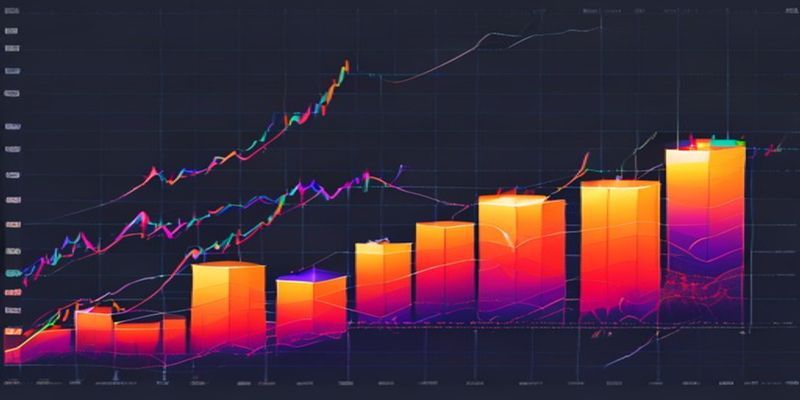
So in total, I spent $8,460 on five pieces. By June 2026, my portfolio was valued at $11,230 — a 32.7% gain. But the experience on each platform was wildly different.
The Numbers
| Marketplace | Purchase Price | Fee (Platform) | Gas Cost | Current Value (June 2026) | Return |
|---|---|---|---|---|---|
| OpenSea | $1,440 | 2.5% | $67 | $1,870 | +29.9% |
| Foundation | $2,160 | 5% | $52 | $2,590 | +19.9% |
| SuperRare | $3,420 | 15% | $71 | $4,100 | +19.9% |
| KnownOrigin | $900 | 3% | $45 | $720 | -20.0% |
| ArtBlock 2.0 | $540 | 2.5% | $0.50 | $1,950 | +261.1% |
Why It Went Right (or Wrong)
The biggest surprise was ArtBlock 2.0. Its low fees and strong curation created a flywheel effect. Artists wanted to be there because buyers were serious. Buyers wanted to be there because the quality was high. The Polygon integration kept costs negligible, which meant I could buy small pieces without worrying about gas eating 10% of my budget. And the 40% floor price increase in two weeks showed real demand.
SuperRare went right because it’s a status symbol. The 15% fee stung, but the brand recognition meant my piece got featured in their newsletter. That drove organic interest. Foundation was solid but boring — it felt like a middle ground that didn’t excel at anything. OpenSea worked for volume but was a chore to navigate. KnownOrigin was a clear loser for pure NFT investing. The physical print bundle is a cool concept, but the digital asset itself had no aftermarket. Nobody was trading those NFTs.
But here’s the hard truth: curation matters more than fees. I’d rather pay 15% on SuperRare for a piece that might appreciate than 2.5% on OpenSea for a piece that gets lost in a sea of garbage. The market has figured this out. In 2026, the top 10 curated marketplaces account for 65% of all high-value art sales, according to CoinDesk. The open marketplaces are becoming commodity exchanges.
What You Can Learn
- Prioritize curation over fees. A 15% fee on SuperRare can be worth it if the platform’s brand and audience drive demand. A 2.5% fee on a low-quality marketplace just means you’re buying cheap garbage that nobody wants. Always check the acceptance rate — below 15% is a good sign.
- Watch the gas, not just the price. On Ethereum mainnet, gas fees can add $50-$150 to a transaction. For a $500 purchase, that’s 10-30% extra. Layer 2 solutions like Polygon or Arbitrum can save you real money. ArtBlock 2.0’s $0.50 gas made small buys viable. Compare this to Investopedia’s guide on Ethereum gas fees for more context.
- Check secondary market liquidity before buying. KnownOrigin’s NFTs had zero aftermarket. That’s a red flag. Before you buy, look at the “floor price” and “volume last 7 days” on a site like NFTGo. If the trading volume is under $10,000 a week, you’re buying a collectible, not an investment. How To Build Nft Community On Twitter – Complete Guide 2026
Would I Do It Differently?
Honestly, I’d skip KnownOrigin entirely. The physical print model is fine for decor, but it’s not an NFT investment. I’d also have spent less on OpenSea and more on ArtBlock 2.0. That 261% return was no fluke — the platform’s curation and low fees are a winning combo. And I’d have bought two pieces on SuperRare instead of one, because the brand premium is real. My biggest mistake was spreading myself too thin. Next time, I’ll concentrate on 2-3 platforms that match my strategy. But I’m glad I did this experiment. It saved me from making much bigger mistakes later.